
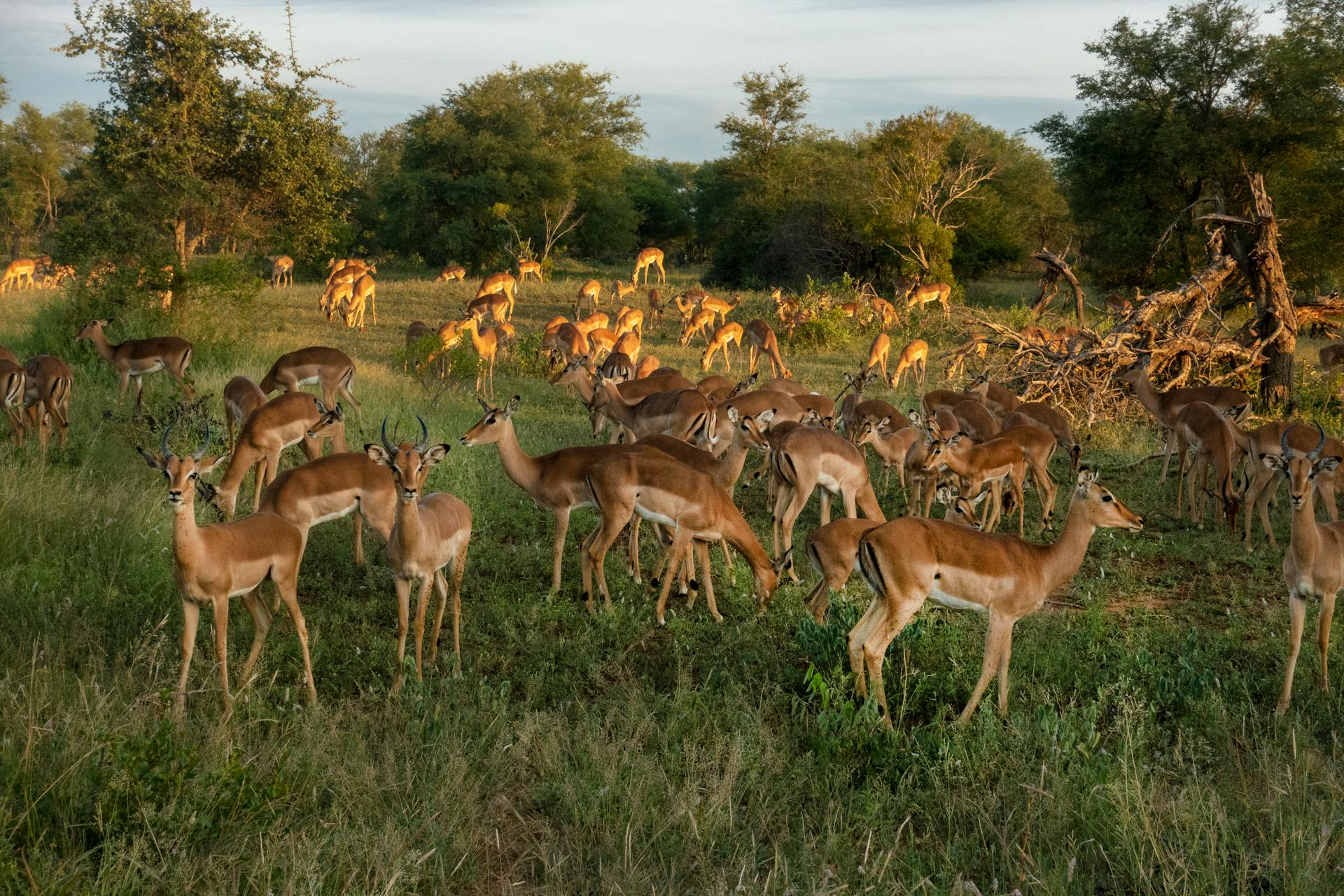
A safari is an unforgettable experience, a chance to explore nature at its most raw and unspoiled. Whether heading to the vast plains of the Serengeti, the wetlands of the Okavango Delta, or the rugged terrain of Kruger National Park, packing the right gear is crucial. The unpredictable elements, varying climates, and remote locations demand thoughtful preparation to ensure both comfort and safety.
When preparing for a safari, it is important to pack wisely, considering practicality and efficiency. Space is often limited, especially if travelling in small aircraft to remote lodges, so every item must serve a purpose.
Essential gear should account for diverse conditions, from the blistering midday heat to chilly early mornings. Choosing the right clothing, accessories, and equipment can enhance the overall experience while ensuring that one is well-equipped for any situation.
Here are ten essential items every traveller should include in their safari packing list. Safarilink offers daily shuttle services connecting various key destinations.
1. Lightweight, Neutral-Coloured Clothing
Safari clothing should be functional, breathable, and suited to the environment. Opt for lightweight, moisture-wicking fabrics that allow for comfort during long game drives. Neutral colours such as khaki, olive, and beige are best, as they blend into the surroundings and reduce the likelihood of attracting insects. Long-sleeved shirts and trousers provide protection against the sun and biting insects, while layering options help adapt to fluctuating temperatures.
2. Sturdy, Comfortable Footwear
A pair of well-worn, comfortable walking shoes or boots is essential, particularly if any walking safaris or bush treks are planned. Closed-toe shoes provide protection against thorny vegetation and potential insect bites. Lightweight trainers or sandals can be useful for wearing around the lodge or camp in the evenings when relaxation is the priority.
3. Sun Protection Gear
The African sun can be intense, so adequate sun protection is vital. A wide-brimmed hat shields the face and neck, while high-SPF sunscreen prevents sunburn. Polarised sunglasses help reduce glare and protect the eyes from harsh UV rays. Lip balm with SPF is another small yet essential item that prevents chapping caused by dry, hot conditions.
4. Binoculars
A quality pair of binoculars enhances wildlife viewing, allowing for a closer look at distant animals and birds. Many safari operators provide shared binoculars, but having a personal pair ensures an uninterrupted experience. Look for lightweight, high-quality optics with good magnification and clarity for the best results.
5. Camera and Accessories
Capturing memories of wildlife encounters and stunning landscapes is a priority for many travellers. A camera with a good zoom lens is highly recommended to photograph animals from a distance without disturbing them. Extra memory cards, spare batteries, and a dustproof camera bag help keep equipment protected and functional. Those relying on smartphones should consider bringing a portable power bank to ensure devices remain charged throughout the day.
6. A Lightweight, Compact Daypack
A sturdy yet lightweight daypack is essential for carrying daily essentials such as water, snacks, a camera, and a guidebook. A backpack with multiple compartments ensures easy organisation, while one with padded straps offers comfort during longer excursions. Water-resistant or dustproof materials help protect belongings from the elements.
7. Insect Repellent and Anti-Malaria Precautions
Mosquitoes and other biting insects are common in many safari regions, particularly in the evenings and near water sources. A strong insect repellent containing DEET or picaridin is crucial for keeping bugs at bay. In malaria-risk areas, anti-malarial medication should be taken as prescribed. Packing lightweight, long-sleeved clothing further minimises exposure to bites.
8. First Aid Kit and Personal Medications
Access to medical supplies may be limited in remote safari locations, making a personal first aid kit essential. Basic items such as plasters, antiseptic wipes, painkillers, anti-diarrhoea tablets, and rehydration salts can be lifesaving in minor medical situations. Prescription medications should be packed in sufficient quantities, along with a copy of the prescription in case of emergencies.
9. Reusable Water Bottle and Hydration Solutions
Staying hydrated is crucial when spending long hours under the sun. A reusable water bottle with a built-in filter is ideal for ensuring access to clean drinking water at all times. Some safari camps provide refill stations to reduce plastic waste. Electrolyte tablets or powders can help replenish lost minerals, especially after extended exposure to heat.
10. Travel Documents and Certified Copies
Important travel documents should always be stored securely. A valid passport, travel insurance details, and any necessary visas or permits should be kept in a waterproof pouch. Carrying printed and digital copies of essential documents ensures preparedness in case of loss or emergencies. A small notebook with emergency contacts and key information can also be beneficial.
To conclude, prioritising practicality and efficiency will allow travellers to focus on the incredible wildlife, stunning landscapes, and unique cultural experiences without unnecessary distractions. By including these ten essential items, one can be well-prepared for the challenges and excitement that a safari presents.
Whether exploring Africa’s renowned national parks or venturing into lesser-known reserves, having the right gear enhances the experience and ensures a safe and memorable journey.